
Medicinal Properties of Sananga
Share
Sananga is one of the most potent and least understood medicines to emerge from the Amazon into wider awareness. Made from the root bark of specific Tabernaemontana shrubs, these sacred eye drops have been used for centuries by tribes including the Huni Kuin, Yawanawá, Matsés, and Ticuna — not primarily for comfort, but for transformation.
The experience is intense. A burning, sometimes overwhelming sensation fills the eyes immediately after application. And then, within minutes, something shifts: the visual field sharpens, a sense of stillness moves through the body, and many practitioners report a profound feeling of energetic clarity — as though something heavy has been lifted from the field.
This guide covers what Sananga is, how it works, its physical and spiritual benefits, how to use it safely, and what to look for when sourcing it.
Authentic Amazonian Sananga Eye Drops
Sourced directly from indigenous communities. Stored and shipped with care to preserve potency.
Shop Sananga →What Is Sananga?
The word sananga refers to a series of traditional eye drops prepared from the root bark of plants in the Tabernaemontana genus. There are two principal varieties used across Amazonian tribes:
- Tabernaemontana sananho — the most widely used species, found across the western Amazon.
- Tabernaemontana undulata — used by the Huni Kuin (who call it mana heins) and the Matsés (who call it bechette).
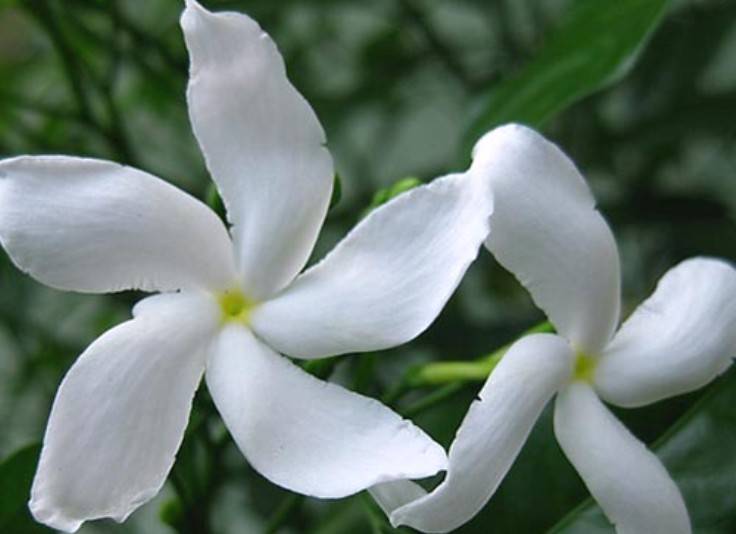
Both plants produce windmill-shaped white flowers and contain a complex array of alkaloids — ibogaine-related compounds and other indole alkaloids that contribute to Sananga's physiological and neurological effects.
The preparation process is simple but precise: the root bark is harvested, dried, ground, and cold-macerated in water to extract the active compounds. The resulting liquid is strained and stored in small dropper bottles. Authentic Sananga is always refrigerated — room-temperature storage degrades its potency rapidly.
The Spiritual Properties of Sananga
Among Amazonian traditions, Sananga is foremost a spiritual medicine. Its physical effects on the eyes and body are considered secondary to its capacity to remove what the Huni Kuin call panema — a state of energetic heaviness, bad luck, or spiritual stagnation that accumulates in a person's field through difficult experiences, negative relationships, or loss of alignment with the natural world.
The burning sensation that accompanies application is not simply a side effect to be endured. In indigenous understanding, it is the medicine actively working — the plant spirit entering through the eyes and moving through the energy body, displacing and releasing what no longer belongs. Many practitioners report that the more intense the burning, the more clearing is occurring.
Sananga is also used as a preparatory medicine before stronger ceremonies — particularly Ayahuasca. Applied in the hours before a ceremony, it is believed to cleanse the energy body, sharpen visual and spiritual perception, and deepen the quality of the ceremonial experience that follows.
Physical and Medicinal Properties
Beyond its spiritual applications, Sananga has a well-documented traditional use as a physical remedy — and an emerging body of scientific research that begins to explain why.
Vision Enhancement
Traditional use of Sananga before hunting is consistent across multiple tribes: it is applied to sharpen the hunter's vision, improve their ability to detect movement in low-light conditions, and heighten overall sensory acuity. Hunters report that the enhanced clarity can last for several days after a single application.
Western practitioners consistently report similar effects: sharper visual definition, more vivid color perception, increased contrast sensitivity, and greater tolerance for bright light. While formal studies on visual acuity are limited, the consistency of these reports across independent users and cultures is compelling.
Anti-Inflammatory Effects
Several scientific studies on Tabernaemontana plants — the family Sananga belongs to — have demonstrated significant anti-inflammatory activity. Studies using T. sananho specifically have shown reduced levels of inflammatory markers in tissue models and antioxidant effects that suggest a mechanism for the traditional use of Sananga in treating eye inflammation, redness, and conditions exacerbated by chronic inflammation.[6-11]
Antimicrobial Properties
Multiple studies on Tabernaemontana species have shown activity against bacteria and fungi, including strains relevant to eye infections. While concentrations required for clinical effect haven't been established for Sananga specifically, this research provides a biological basis for the traditional use of these plants as wound treatments and infection remedies.[2-5]
Headache and Pain Relief
Sananga is used across multiple tribes specifically for headaches and eye-associated pain. The mechanism is likely a combination of alkaloid-mediated effects on pain pathways and the anti-inflammatory activity noted above. Anecdotal reports from Western practitioners consistently echo this traditional use.
Experience Sananga for Yourself
Refrigerated on arrival. Sourced from the Nukini and Katukina peoples of Brazil.
Shop Sananga Eye Drops →How to Use Sananga
Sananga should be approached with intention, care, and respect. The physical intensity is real — but it is temporary, and working with it consciously rather than resisting it is the key to a beneficial experience.
Before you begin:
- Store Sananga in the refrigerator. Warm Sananga loses potency and may cause unnecessary irritation.
- Set a clear intention for what you are working with or releasing.
- Prepare a bowl of clean water nearby in case the burning becomes very intense.
- Remove contact lenses. Do not wear contacts for at least 24 hours after application.
- If you take any prescription eye medication or have an active eye infection or open wound around the eye, consult a doctor first.
Application steps:
- Lie on your back on the floor or a flat surface.
- Close both eyes and tilt your head back slightly.
- Place one drop of Sananga in the inner corner of each eye (where the nose meets the eye). This allows you to open both eyes simultaneously for even distribution.
- Open both eyes and blink several times to spread the medicine across the eye surface.
- Breathe slowly and deeply through the mouth. Do not fight the burning. Stay present in your body.
- Allow the intensity to peak and pass — typically 5 to 15 minutes.
- Sit in stillness for another 10 to 20 minutes after the intensity fades. The medicine continues to work.
If the burning becomes truly overwhelming, wash your eyes with clean water. This is always an option — though experienced practitioners often choose to stay with the intensity as the full therapeutic benefit is believed to come through meeting it rather than releasing it early.
Sananga in Ceremony
Sananga is increasingly used as a standalone medicine in facilitated group settings, and also as a preparatory medicine before Ayahuasca, Hapé, or other Amazonian plant medicine ceremonies.
When used before Ayahuasca, Sananga is typically administered 1 to 2 hours before the ceremony begins. Practitioners report that it clears mental turbulence, removes surface-level emotional noise, and opens a depth of receptivity that makes the subsequent ceremony more focused and profound.
When used before Hapé, the two medicines are considered complementary — Sananga working primarily on the visual and spiritual field, Hapé working primarily on the mind and energy body. Many facilitators work with both in sequence.
Build Your Sacred Practice
Sananga pairs powerfully with Hapé. Explore both medicines from indigenous sources.
Safety Notes
Sananga is generally considered safe when used as directed and sourced from a reputable supplier. However:
- Do not use with contact lenses in.
- Do not use on eyes with open wounds or active infections without medical guidance.
- Do not drive or operate machinery immediately after use.
- Stop use if you experience lasting changes in vision or prolonged redness beyond 30 minutes.
- If in doubt, consult a healthcare professional before use.
References
- Shepard, Glenn (1999). Pharmacognosy and the Senses in Two Amazonian Societies. PhD Dissertation, UC Berkeley. p102.
- Sathishkumar et al (2012). In vitro antibacterial and antifungal activities of Tabernaemontana heyneana Wall leaves. Journal of Applied Pharmaceutical Science 2(8), p107–111.
- Marathe et al (2013). In vitro antibacterial activity of Tabernaemontana alternifolia stem bark aqueous extracts. Annals of Clinical Microbiology and Antimicrobials 12(26).
- Van Beek et al (1984). Antimicrobially active alkaloids from Tabernaemontana pachysiphon. Phytochemistry 23(8), p1771–1778.
- Suffredini et al (2002). Antibacterial activity of Apocynaceae extracts. Braz J Pharm Sci 38(1), p89–94.
- Shrikanth et al (2014). Antimicrobial and antioxidant activity of Tabernaemontana alternifolia. Int J Pharmacy and Pharmaceutical Sciences 7(1), p66–69.
- Thambi et al (2006). Antioxidant and antiinflammatory activities of Tabernaemontana coronaria. Indian Journal of Pharmaceutical Sciences 68(3).
- Taesotikul et al (2003). Anti-inflammatory activities of Tabernaemontana pandacaqui. J Ethnopharmacol 84, p31–35.
- De las Heras et al (1998). Antiinflammatory and antioxidant activity of plants used in Ecuador. Journal of Ethnopharmacology 61, p161–166.
- Nicola et al (2013). Antioxidant and Anticholinesterasic Activity of Tabernaemontana catharinensis. The Scientific World Journal.
- Rumzhum et al (2012). Antioxidant and cytotoxic potential of Tabernaemontana divaricata. International Current Pharmaceutical Journal 1(2), p27–31.


